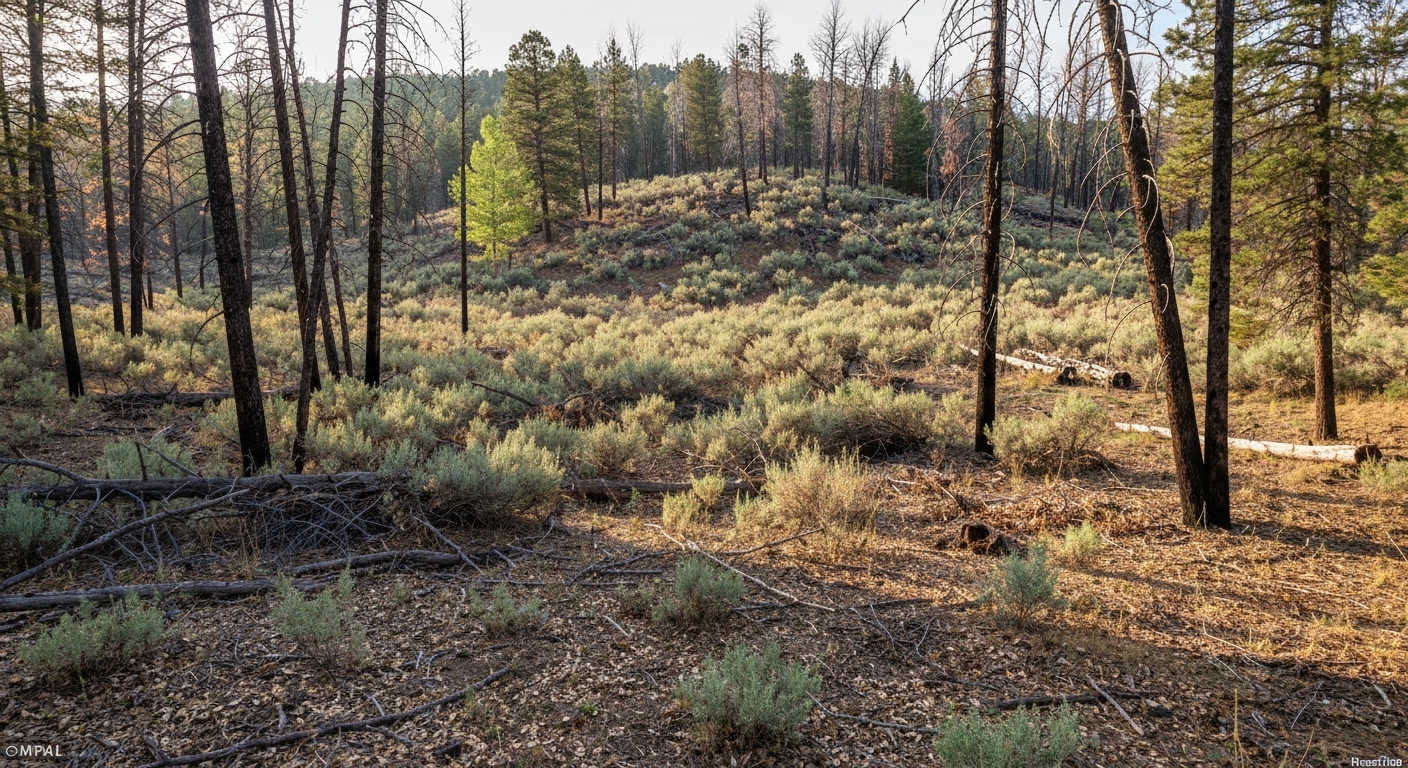
The reality of living in Colorado's beautiful wildland-urban interface (WUI) is changing. Following recent devastating fire seasons, both state agencies and private insurance companies have drastically updated their defensible space requirements. Failing to comply doesn't just put your home at risk—it could cost you your homeowners insurance.
The New Insurance Reality
Across the state, insurance carriers are utilizing satellite imagery and drone inspections to assess property risk. Properties that display dense tree canopies touching the roof, or thick brush growing against the siding, are receiving non-renewal notices. To maintain coverage, property owners must prove they have established proper defensible space.
The 3 Zones of Defensible Space
The Colorado State Forest Service has formalized guidelines into three distinct zones. Understanding these is the key to compliance:
Zone 1: The Non-Combustible Zone (0-5 feet)
This is the most critical area. It must be completely free of anything that can catch fire. No firewood, no wood mulch, no juniper bushes, and no branches overhanging the roof. Think gravel, concrete, and well-watered, low-cut grass.
Zone 2: The Lean, Clean, and Green Zone (5-30 feet)
In this zone, trees should be thinned so that their crowns are spaced at least 10 feet apart. All ladder fuels (lower branches) must be pruned up to 6-10 feet. The goal here is to prevent a fire from moving from the ground into the tree canopy, and to stop it from spreading tree-to-tree.
Zone 3: The Forest Management Zone (30-100+ feet)
This zone extends out to your property line. While vegetation can be denser here, it still requires active management. Dead and dying trees should be removed, and dense clusters of brush should be thinned out to slow an approaching fire's intensity.
How Liberty Land Clearing Can Help
Navigating these guidelines can be overwhelming. We specialize in bringing properties into compliance without destroying their natural beauty. Our forestry mulching process selectively removes hazardous fuels while preserving the healthy, mature trees that make your property special.
If you've received a notice from your insurance company, or if you just want to get ahead of the curve, contact us for a free compliance assessment.